A Yu-Gi-Oh! card doesn’t print its rarity anywhere, so you read it off the foil. Look at the card name first, then the artwork. No foil at all is a Common. A silver foil name on plain art is a Rare. Shiny art under a plain name is a Super Rare, shiny art under a gold name is an Ultra Rare, and a rainbow name over sparkling art is a Secret Rare. Every fancier rarity is one of those five with more foil added somewhere.
How to tell a card’s rarity by looking
- Hold the card under one lamp and tilt it. Foil flashes and changes colour as the card moves. Ink doesn’t. This matters most for the name: Spells, Traps, Xyz and Link Monsters have white names even as Commons, and white ink is easy to mistake for silver until you tilt it.
- Read the name. Plain ink means Common or Super Rare. Silver foil means Rare. Gold foil means Ultra Rare or one of its relatives (Ultimate, Gold). Rainbow foil that shifts colour means the Secret Rare family: Secret, Prismatic Secret, Starlight, Collector’s or Ghost.
- Look at the artwork. Flat print is no foil. A smooth shine is the ordinary holofoil of Super and Ultra Rares. Diagonal sparkles are a Secret Rare. A grid of horizontal and vertical lines is a Prismatic Secret or Starlight Rare. Texture you can feel with a fingertip is an Ultimate or Collector’s Rare. A pale picture that looks three-dimensional is a Ghost Rare.
- Check the rest of the face: Level stars, Attribute, the frame around the art, the outer border, the text box. Foil on the border or a logo ghosted into the text box points to one of the special rarities in the table below.
- Read the card number. It sits under the right-hand side of the artwork (bottom left on Pendulum Monsters) and looks like SOD-EN008. Search the card on Konami’s official card database, find the line with your number, and it names the rarity.
Step 5 is the one most guides skip, and it settles most arguments. It has a limit, though. The number identifies the set and the card’s place in it, and one number can carry two rarities: Horus the Black Flame Dragon LV8 is SOD-EN008 as an Ultra Rare and SOD-EN008 again as an Ultimate Rare. When the database shows two lines for your number, the foil decides.
One thing changed in July 2017. Starting with Battles of Legend: Light’s Revenge, Super and Ultra Rares have foil on the Level stars and the Attribute as well as the art. Older ones don’t. So foil stars on a recent card aren’t a sign of anything rarer.
The rarities side by side
This table covers English (TCG) cards. “First English release” is the set where the finish first appeared in the TCG, with dates from Yugipedia. The descriptions follow Konami’s New to Yu-Gi-Oh! page and glossary where Konami describes the rarity, and Yugipedia where it doesn’t.
| Rarity | Card name | Artwork | Rest of the card | First English release |
|---|---|---|---|---|
| Common | Plain ink | No foil | No foil | Legend of Blue Eyes White Dragon, March 2002 |
| Rare | Silver foil | No foil | No foil | Legend of Blue Eyes White Dragon |
| Super Rare | Plain ink | Smooth holofoil | Foil Level and Attribute since July 2017 | Legend of Blue Eyes White Dragon |
| Ultra Rare | Gold foil | Smooth holofoil | Foil Level and Attribute since July 2017 | Legend of Blue Eyes White Dragon |
| Secret Rare | Rainbow foil | Holofoil with a diagonal sparkle pattern | No extra foil | Legend of Blue Eyes White Dragon |
| Ultimate Rare | Gold foil | Embossed foil you can feel | Embossed foil on the art frame, Attribute and Level stars, and on the borders in later prints | Soul of the Duelist, October 2004 |
| Ghost Rare | Pale silver or rainbow foil | A washed-out, three-dimensional hologram | No extra foil | Tactical Evolution, August 2007 |
| Gold Rare | Gold foil | Holofoil | Gold foil on the art frame, text box border and card border | Gold Series, April 2008 |
| Platinum Secret Rare | Platinum foil with a shattered pattern | Platinum foil with the Secret Rare pattern | The same foil over most of the face in the tin versions; the text box stays plain | 2014 Mega-Tins, August 2014 |
| Prismatic Secret Rare | Speckled rainbow foil | Holofoil in a grid of horizontal and vertical lines | No extra foil | World Superstars, April 2015 (some early video game promos used the same pattern) |
| Starlight Rare | Rainbow foil | Grid holofoil | The same foil across the whole face except the text box; a rainbow foil outer border from Chaos Origins (July 2026) on | Rising Rampage, July 2019 |
| Collector’s Rare | Rainbow foil | Textured rainbow foil | The same texture on the Attribute, Level, text box border and card border, in a pattern people compare to fingerprints | Toon Chaos, June 2020 |
| Premium Gold Rare | Raised gold | Holofoil with raised gold outlines | Thick raised gold on the borders and stars | Maximum Gold, November 2020 |
| Quarter Century Secret Rare | Speckled champagne-gold foil | Secret Rare foil | Foil over the whole face, with the 25th anniversary logo ghosted into the text box | Legendary Collection: 25th Anniversary Edition, April 2023 |
The sources don’t agree on the Ghost Rare’s name. Konami’s page calls it rainbow foil. Yugipedia says the first ones had bright silver lettering and later ones a gold-like name. Go by the artwork, which nothing else resembles.
A few finishes didn’t earn a row because each lives in one product line. Platinum Rare exists only in the Noble Knights of the Round Table Box Set (November 2014), where all 43 cards have it. Pharaoh’s Rare is an Ultra Rare with columns of hieroglyphs over the foil, first seen in King’s Court. The Battle Pack sets coated whole cards in a pattern: stars on Starfoil Rares, squares on Mosaic Rares, broken glass on Shatterfoil Rares. And the Rarity Collection sets have “Prismatic” versions of Ultimate and Collector’s Rare that carry foil across the whole face. For any of these, the database line is quicker than squinting.
You won’t pull most of this table from a new core booster. Chaos Origins, the July 2026 set, has 50 Commons, 26 Super Rares, 14 Ultra Rares and 10 Secret Rares, with 25 of its cards also printed as Starlight Rares. It has no Rares at all. Ultimate Rares left core boosters in 2016 for the tournament packs given out at Official Tournament Stores, Ghost Rares were dropped at the same time and have only come back in side sets, and Quarter Century Secret Rares ran from 2023 to 2025.
Super Rare vs Ultra Rare
The artwork is identical. The name is the whole difference: gold foil on an Ultra Rare, ordinary ink on a Super Rare. Konami’s glossary puts it in one line: “Ultras have a gold name stamp while Supers have no foil on the card name.”
The usual mix-up is calling a Super Rare an Ultra because the name looked shiny in a photo. Glossy ink reflects a lamp too. Tilt the card: foil brightens, dims and changes colour, and ink doesn’t. The reverse mistake happens with Ultra Rares whose names are red, blue, green or purple foil. Konami counts those as Ultra Rares too (“a gold or colorful foil on the card name”).
As for how much rarer an Ultra is, the last numbers Konami published say a 24-pack box of a core set averaged 18 Super Rares, 4 Ultra Rares and 2 Secret Rares. That only applies to booster packs. Structure Decks come with the same Super and Ultra Rares in every box, so there the gold name tells you nothing about scarcity.
Pull rates Konami has published
There’s one official source, and it’s old. In September 2015 Konami’s Kevin Tewart announced the booster changes for 2016: a foil in every 9-card pack, Ultra Rares raised from 1 in 12 packs to roughly 1 in 6, and Secret Rares from 1 in 23 to roughly 1 in 12. The same post says Ghost Rares had been a 1-in-288 pull. He added that these are averages “over the average print run of millions of packs”, and no single pack or box is guaranteed.
I couldn’t find a Konami figure for anything newer. Packs have changed since (the Rare slot is gone and sets carry more Super Rares), and Konami has never published odds for Starlight, Quarter Century Secret or Collector’s Rares. TCGplayer wrote in 2023 that Starlights showed up “roughly one per case”, but that’s a marketplace’s estimate from when a set had five of them. Sets now have 25. Treat any exact Starlight odds you read as someone’s box-opening tally.
What a short print is
A short print is a Common that turns up less often than the other Commons in its set. It looks exactly like a Common, because it is one: no foil, no mark, and Konami’s database doesn’t flag it. You can’t identify one from the card. You find out from set lists compiled by collectors.
Yugipedia puts the rate at about one short print in three packs, without a Konami source, so take the number loosely. Some older guides also list “Super Short Print” as a third tier of Common. According to Yugipedia, Tewart has said no such rarity exists, though collectors’ lists still use the label for a few early cards. I wouldn’t pay extra for either label unless the seller can show sold prices for that exact card.
Does rarity decide what a card is worth?
Only partly, and I think “rarity” is the wrong word for what Konami means. It names a finish. Yugipedia’s definition is blunt about it: a card’s rarity is determined by its foiling and not by its distribution. How hard the card was to get depends on the product it came in.
Maximum Gold is the clearest case. Every pack holds two Premium Gold Rares and five gold-letter Rares, so the fanciest finish in the set is also something you get twice a pack. Structure Deck Ultra Rares work the same way, and Yugipedia notes that these fixed cards usually sell for less than a booster card of the same rarity.
What moves the price is how many copies of that exact printing exist and how many people want one. The same card is often printed in several rarities across different sets, and each printing has its own price. Edition matters too: a 1st Edition copy usually sells for more than the Unlimited copy in the same rarity. So do condition and whether tournament players currently need the card. When you look a card up, match all three of card number, rarity and edition, and go by sold listings, not asking prices.
Common mistakes
Reading the gold square as a rarity
The small foil square in the bottom-right corner is a security mark, and its colour tells you the edition. Konami’s wording: gold on First Edition and Limited Edition cards, silver on Unlimited Edition cards. A Common from a first print run has a gold square, and it’s still a Common.
Judging from a scan
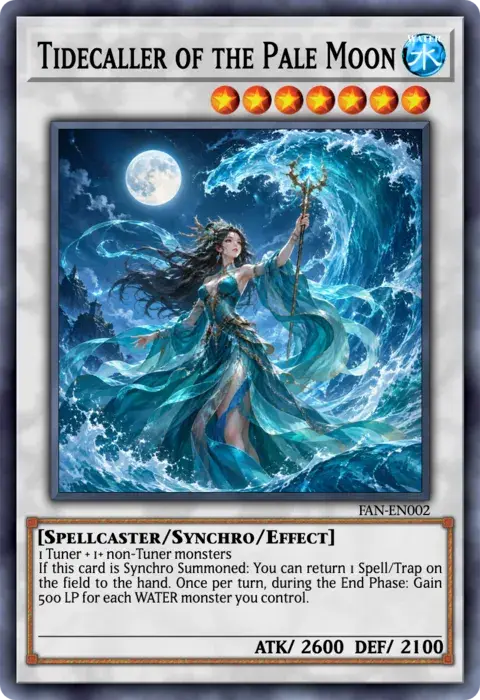
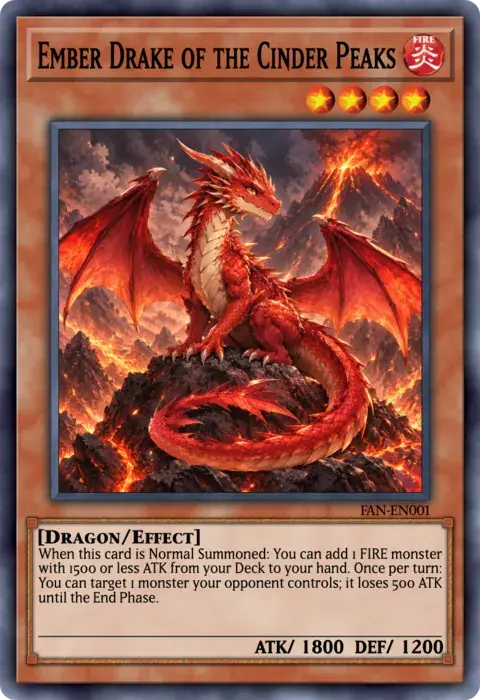
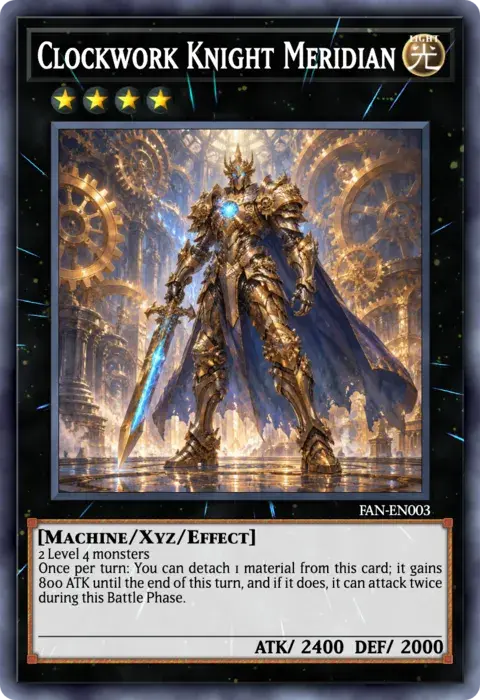
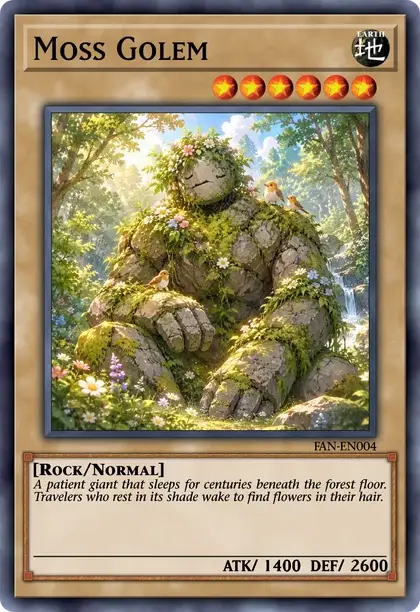
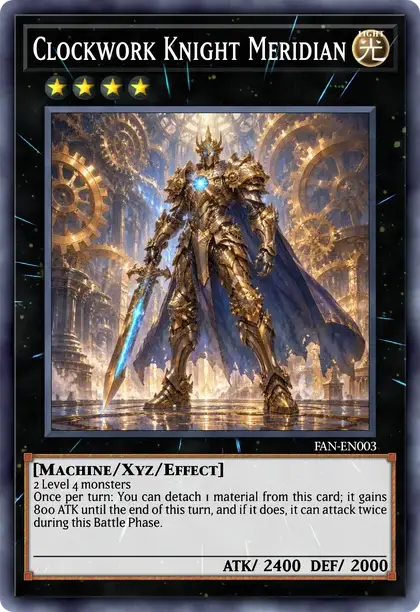
Foil doesn’t survive a flatbed scanner. Ultimate Rares come out muted, with the embossed art barely separate from the background, and Ghost Rares look even paler than they are. Database pictures are flat too: the real cards our random card generator draws all look like Commons on screen, whatever they were printed as. If you’re buying, ask for a photo taken at an angle or a short video of the card being tilted.
Mixing up Japanese and English names
The two games reuse names for different finishes. A Japanese Prismatic Secret Rare has foil over the whole card and looks like an English Starlight Rare. An ordinary Japanese Secret Rare uses the grid pattern that English cards call Prismatic Secret. And the English Ghost Rare is called Holographic Rare in Japan. Check which language a listing is for before you compare prices.
Expecting the card number to answer it
The number narrows things down and stops there. If a set printed your card as both a Super Rare and a Starlight Rare, both copies carry the same number. A finish that matches none of the printings the database lists for that number is a reason to look harder at whether the card is real.
Expecting a custom card to have a rarity
Foil is added at the factory, and an inkjet can’t lay it down. Our card maker has no foil or holo effects and doesn’t pretend to: a card you make there prints flat, which makes it a Common in everything but name. You can type a set number under the art, but there’s no rarity to pick. The print sheet is flat too. If you want shine on a custom card, you need a print-on-demand shop that offers holographic card stock, and you should check it can cut 59 × 86 mm before you order. It still won’t pass for a real Secret Rare, and it shouldn’t. Konami’s tournament policy bans proxies and counterfeit cards from sanctioned events even if you own the real card, and selling a homemade card as an official one is counterfeiting.